While people with https://zeroin.info/alcohol-and-your-kidney-health-heres-what-to-know/ this condition may start drinking again, studies show that with treatment, most people are able to reduce how much they drink or stop drinking entirely. Seizures related to alcohol withdrawal typically do not happen immediately after someone stops drinking. Most people experience withdrawal seizures within 6 to 48 hours after their last drink, with the highest risk occurring during the first two days. While many of these symptoms are uncomfortable but manageable, seizures represent one of the most dangerous complications of alcohol withdrawal. Research indicates that alcohol withdrawal seizures occur in 2 to 5 percent of people who stop drinking after developing dependence. Many people feel shame or embarrassment asking for this kind of help, but your provider’s job is to help, not to judge.
You deserve excellent care and a rewarding life in recovery.
If you want a symptom-by-symptom overview and timing framework, see Alcohol Withdrawal Timeline. To learn more about alcohol treatment options and search for quality care near you, please visit the NIAAA Alcohol Treatment Navigator. A health care provider might ask the following questions to assess a person’s symptoms. Because denial is common, you may feel like you don’t have a problem with drinking.
- If you have a sibling or parent with AUD, then you are three or four times more likely than average to develop the disorder.
- The duration of alcohol withdrawal will be different for everyone, and it mainly depends on how heavily and frequently alcohol was used.
- Additionally, consider enlisting a trusted person to hold you accountable—someone you can call when cravings arise or when you feel overwhelmed.
- It is important to have support in place to safely endure the withdrawal process, and prevent failed withdrawal attempts.
Quitting alcohol can be challenging, but the benefits of abstaining can improve your overall health and happiness.
This readjustment process triggers withdrawal symptoms that can range from mild discomfort to life-threatening complications. Symptoms may begin within hours of the last drink and can persist for days or even weeks depending on the severity of the dependence. Beyond the seizure itself, people can sustain serious injuries from falling. Prolonged or repeated seizures can cause brain damage, and seizures may indicate progression toward delirium tremens, which can be fatal without treatment. Seizures can occur as early as six hours after the last drink, though they most commonly happen within the first 24 to 48 hours of withdrawal.
What questions should I ask my healthcare provider?
Alcohol use disorder includes a level of drinking that’s sometimes called alcoholism. Many people with DTs also have dehydration, electrolyte imbalances or mineral deficiencies. Your healthcare provider can treat these by infusing you (through an IV in your vein) with the necessary vitamins and minerals. Some infusions come specially prepared for this type of situation. An example of this is an infusion that healthcare providers often refer to by the nickname “banana bag” (because the solution in them is yellow).
Find Drug Rehabilitation Centers Near You Anywhere In the US

Many people with AUD do recover, but setbacks are common among people in treatment. Seeking professional help early can prevent a return to drinking. Behavioral therapies can help people develop skills to avoid and overcome triggers, such as stress, that might lead to drinking. Medications also can help deter drinking during times when individuals may be at greater risk of a return to drinking (e.g., divorce, death of a family member). If your pattern of drinking results in repeated significant distress and problems functioning in your daily life, you likely have alcohol use disorder. However, even a mild disorder can escalate and lead to serious problems, so early treatment is important.
Start the road to recovery
One of the biggest lies I believed was that I had to be completely ready to stop drinking before reaching out. It’s a door you can walk through even if your hands are shaking. This is why detox centers don’t just offer meds—they offer comfort.
- Alcohol stays in your systemfor varying amounts of time based on your body weight, metabolism and how many drinks you’ve had.
- The Recovery Village Atlanta offers comprehensive addiction treatment for drug and alcohol addictions and co-occurring mental health conditions.
- But, with the right kind of professional support, withdrawal can be managed and treated safely.
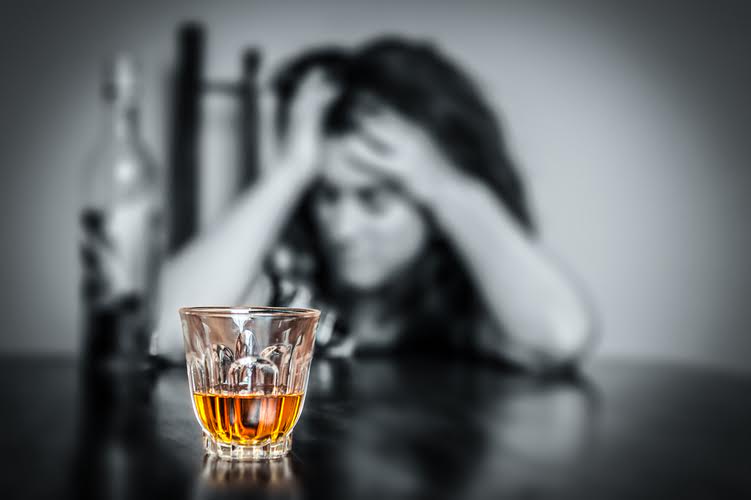
If you have severe vomiting, seizures, or Sober living house delirium tremens, the safest place for you to be treated is in a hospital. For delirium tremens, treatment in an intensive care unit (ICU) is often required. In an ICU, your heart rate, blood pressure, and breathing can be monitored closely in case emergency life-support (such as artificial breathing by a machine) is needed. Alcohol withdrawal is easy to diagnose if you have typical symptoms that occur after you stop heavy, habitual drinking.
If symptoms start to escalate, they can intervene immediately with appropriate medications. A severe case of alcohol withdrawal can lead to complications, some of which can be life-threatening. To prevent this, your doctor may suggest a treatment program where you stay overnight. That way, you alcohol withdrawal can get 24-7 support for your mental health and physical symptoms. Severe and complicated alcohol withdrawal requires treatment in a hospital — sometimes in the ICU. While receiving treatment, healthcare providers will want to monitor you continuously to make sure you don’t develop life-threatening complications.